
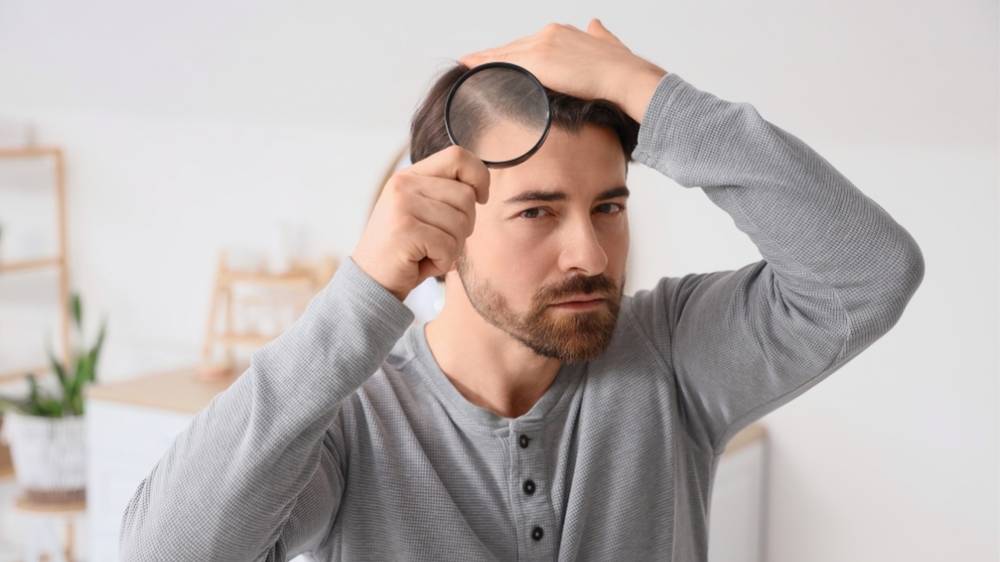
If you have spent any time walking down Buchanan Street or through the West End recently, you might have noticed that more people are looking particularly sharp. It is not just the tailored suits or the trendy haircuts; it is the hairlines. For a long time, hair loss was something that many people in Scotland simply accepted as an inevitable part of ageing. However, the conversation has shifted. Choosing to have a hair transplant glasgow is no longer a secret whispered in private; it is a mainstream choice for those looking to reclaim their confidence and refresh their appearance.
The rise in popularity of these procedures in Glasgow is not just about vanity. It is about the accessibility of high-quality medical care and the realisation that you do not have to fly across the world to get world-class results. While medical tourism was once the go-to option for those on a budget, many are now finding that the benefits of staying local far outweigh the initial cost savings of going abroad. Having your surgeon nearby for follow-up appointments and peace of mind is becoming the preferred route for many Glaswegians.
What actually happens during a modern hair transplant
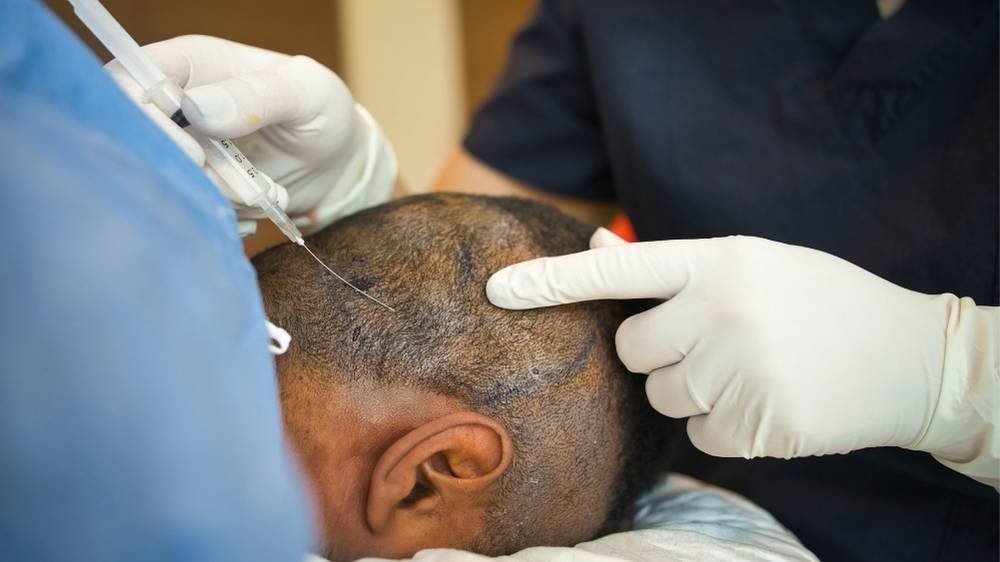
When most people think of hair transplants, they might still picture the ‘plugs’ of the 1980s that looked unnatural and obvious. Thankfully, the technology has moved on significantly. The modern standard is Follicular Unit Extraction, or FUE. This technique is far more refined and involves moving individual hair follicles from a ‘donor area’—usually the back or sides of the head where hair is more resistant to thinning—to the areas where you need more density.
The process is incredibly detailed. Surgeons use specialised tools to extract each graft with precision, ensuring that the donor area remains looking natural and not over-harvested. Once the follicles are collected, they are carefully implanted into the thinning areas. The artistry comes in the placement; the surgeon must consider the angle, direction, and density of the hair to ensure it blends seamlessly with your existing hair. This is why choosing an experienced professional for your hair transplant glasgow is so important—it is as much an art form as it is a medical procedure.
The main benefits of the FUE technique
- Minimal scarring compared to older methods that left a long linear scar at the back of the head.
- A much faster recovery time, with most people returning to work within a week or two.
- The ability to wear your hair short after the procedure without worrying about visible marks.
- Local anaesthetic is used, meaning you are awake and comfortable throughout the day.
Why staying in Glasgow for your procedure makes sense
It is tempting to look at prices in places like Turkey and wonder if the flight is worth it. However, the true value of a hair transplant glasgow lies in the continuity of care. A hair transplant is not a one-day event; it is a year-long journey of growth and recovery. When you choose a local clinic, you have a direct line to your surgeon. If you have a question about redness on day five or growth patterns in month six, you can simply book a quick face-to-face review.
Furthermore, Scotland has incredibly strict medical regulations. Clinics in Glasgow must adhere to high standards of hygiene, patient safety, and ethical practice. You know exactly who is performing your surgery and what their qualifications are. In many cut-price clinics abroad, the person doing the actual extraction might not even be a qualified doctor. In Glasgow, you are paying for the expertise and the legal protections that come with UK medical regulations.
Preparing for your first consultation
The journey usually begins with a consultation, which is often the most important part of the process. This is not just a sales pitch; it is a medical assessment. A reputable surgeon will look at your scalp under magnification to check the health of your donor hair and determine the cause of your hair loss. Not everyone is a suitable candidate for surgery, and a good clinic will be honest with you if they think it is too early or if alternative treatments like medication would be more effective.
During this meeting, you should feel comfortable asking as many questions as possible. You should discuss your expectations, the number of grafts required, and the long-term plan for your hair. Since hair loss can be progressive, a good surgeon will design a hairline that will still look natural as you age, rather than just fixing the problem for the next two years.
Questions you should ask your surgeon
- How many procedures like this do you perform every week?
- Can I see before and after photos of patients with a similar hair type to mine?
- What is the plan if my hair loss continues in the future?
- Who exactly will be performing the graft extraction and the site incisions?
- What kind of aftercare support do you provide in the months following the surgery?
The reality of the recovery process
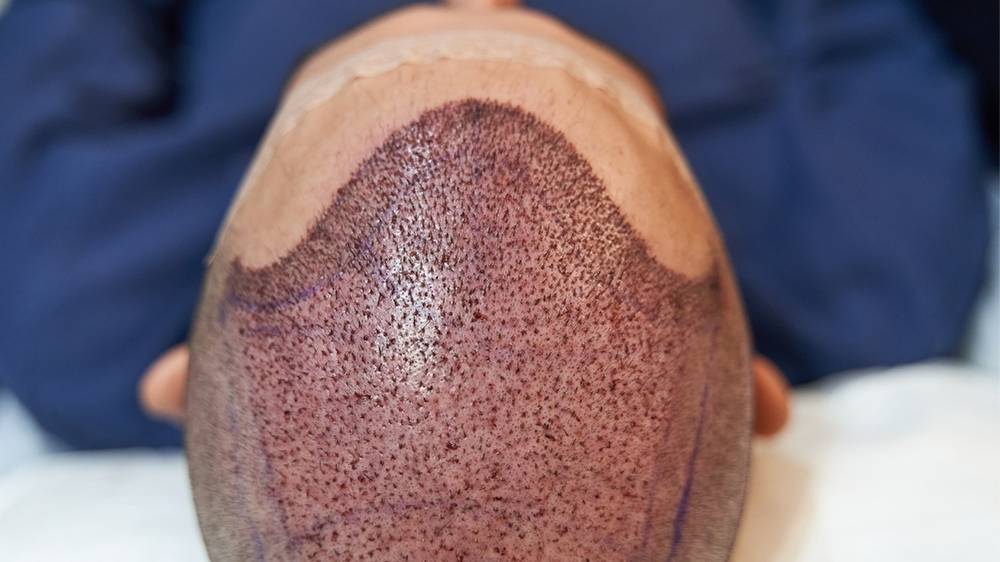
One of the most common things people worry about is how they will look immediately after the procedure. It is true that for the first few days, there will be some redness and tiny scabs where the hairs were implanted. Most patients choose to take about ten days off work to allow this initial healing phase to pass. By the end of the second week, the scabs usually fall away, and you can start to wash your hair more normally.
There is a phase that catches many people off guard called ‘shock loss’. A few weeks after the transplant, the newly implanted hairs often fall out. This can be alarming if you aren’t expecting it, but it is a perfectly normal part of the hair cycle. The follicles themselves are safe and dormant under the skin, and they will start to produce new, permanent hair after about three or four months. This is why patience is the most important tool in your recovery kit.
Managing expectations and long-term results
While a hair transplant can be life-changing, it is important to have realistic expectations. You are moving hair from one place to another, not creating new hair out of thin air. The goal is to create the illusion of density and a natural-looking frame for your face. Most people start to see the real results between six and nine months, with the full impact visible at the one-year mark.
To maintain the results, many surgeons recommend using hair loss medications to protect the non-transplanted hair. This prevents further thinning behind the newly transplanted area, ensuring that your hair looks thick and consistent for years to come. Your clinic in Glasgow will be able to organise a long-term maintenance plan tailored to your specific needs, helping you keep hold of your new look for the long haul.
What to do in the first week after surgery
- Avoid any strenuous exercise or heavy lifting that could increase blood pressure in the scalp.
- Sleep with your head slightly elevated to help reduce any swelling in the forehead area.
- Follow the specialised washing routine provided by your clinic to keep the area clean and hydrated.
- Avoid direct sunlight on the scalp, as the healing skin is particularly sensitive to UV rays.
- Resist the urge to touch or scratch the newly implanted grafts, no matter how itchy they feel.
Ultimately, the decision to undergo a procedure is a personal one, but for many in the west of Scotland, the convenience and quality of a hair transplant glasgow have made it a very straightforward choice. By staying local, you are investing in a relationship with a medical team that will be with you throughout the entire process, from that first nervous consultation to the moment you see your full results in the mirror a year later.

A creative writer and image critic specialising in the intersection of architecture and visual culture, with a focus on contemporary design aesthetics and photographic composition.